Accessories0 products
- Antennas17 products
- Base Station Antennas for Cellular & Private Network Deployments0 products
- Broadband Radio2 products
- Cell Repeater Systems0 products
- DAS Systems (Coming Soon)0 products
- Emergency Repeater Systems0 products
- Five Band Repeater1 product
- Hardware7 products
- Indoor & Vehicle Boosters0 products
- Licensed Microwave Antennas for Point-to-Point Backhaul4 products
- Signal Boosters & Repeaters0 products
- Specialty Antennas for Unique & Demanding Wireless Applications0 products
- Unlicensed Antennas for Fixed Wireless & WISP Deployments0 products
- Unlicensed Parabolic Antennas (4.9GHz – 6.4GHz)0 products
- Yagi Antennas0 products
Licensed Point-to-Point Backhaul
Licensed Microwave Antennas for Point-to-Point Backhaul
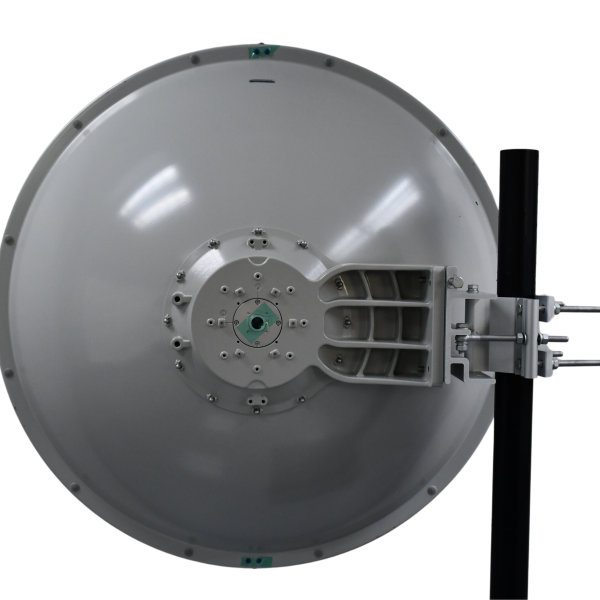
When your link can’t fail, you don’t “try” an antenna—you deploy one engineered for predictable performance. RF Communications supplies licensed microwave antennas built for high-capacity backhaul, interference control, and long-term outdoor reliability.
- High gain options for stronger link margin
- Low sidelobe performance for interference control
- Outdoor-rated builds for long deployment cycles
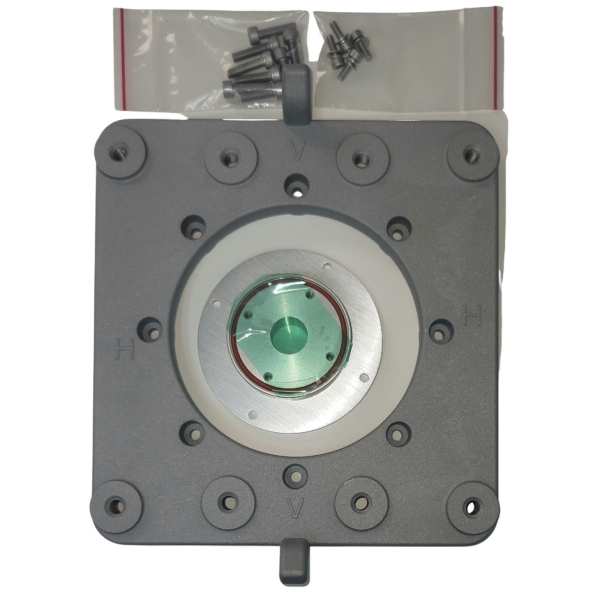
- Universal mounting and adapter support
- Built for licensed point-to-point networks
Quick Fit Checklist
- Band / Frequency: match your licensed channel plan
- Link distance: drives gain and diameter
- Availability target: higher availability needs margin
- Interference environment: sidelobe control matters
- Mounting/interface: confirm bracket and adapter fit
What Microwave Antennas Are Used For
- Carrier backhaul and network backbone transport
- WISP regional backbone and site-to-site connectivity
- Utility communications and SCADA support
- Public safety site interconnects
- Enterprise campus and multi-site transport links
Why RF Communications Microwave Antennas
Performance-focused design
- High gain options to strengthen link budget and fade margin
- Pattern control to manage sidelobes and reduce interference risk
- Predictable RF behavior for repeatable deployments
Deployment-ready mechanics
- Rugged outdoor construction designed for harsh conditions
- Stable mounting designed to hold alignment under load
- Adapter support for common microwave radio platforms
Built for Real Networks
- Designed for licensed point-to-point deployments
- Documentation/specs available for engineering review
- Practical support to select the right build
How to Choose the Right Microwave Antenna
Confirm your licensed band and channel plan
Band compatibility is non-negotiable—start with frequency and radio requirements.
2
Size for distance and availability
Higher gain (often larger diameter) increases fade margin and improves availability—especially in challenging climates or longer links.
3
Prioritize sidelobe performance in dense areas
In crowded deployments, sidelobe control can matter as much as gain.
4
Validate mounting and interface compatibility
Confirm bracket type, pipe size constraints, wind loading, and any radio interface or adapter requirements.
Fast Recommendation
- Frequency band (GHz)
- Link distance (mi/km)
- Radio model
- Mounting type (tower/roof/pole) and pipe diameter
- Availability target and environment (urban/rural/coastal)
Industries Served
- Telecom carriers
- Wireless ISPs
- Utilities and energy
- Public safety networks
- Enterprise networks
- System integrators and field deployment teams
Microwave Antennas FAQ
-
Licensed microwave antennas are used for point-to-point links in licensed spectrum—commonly for backhaul and backbone connectivity—where predictable performance and interference control are required.
-
Start with your link budget and availability target. Higher gain (often larger diameter) improves fade margin and reliability, but may require tighter alignment and higher wind loading considerations.
-
Gain, sidelobe performance, front-to-back behavior, mechanical stability, and outdoor durability. In dense environments, sidelobe control is critical.
-
Yes. Send your band, distance, radio model, and mounting details, and we’ll recommend the best-fit antenna class and any adapter requirements.
Ready to Build a Reliable Microwave Link?
Browse available microwave antennas or send your link details for a fast recommendation.